
Trauma Therapy in New Jersey
When the past still feels present
You do not have to be a soldier to know what trauma feels like. Many people live through experiences so overwhelming that parts of life never feel the same again. If this resonates with you, it may be time to learn how trauma works and how healing can happen.
We accept major commercial insurance: Horizon Blue Cross Blue Shield of New Jersey, Aetna, and UnitedHealthcare.
Not in-network with Medicaid or Medicare plans.
What Is Trauma?
Trauma happens when an experience is so distressing that it overwhelms your ability to cope. Examples may include:
- Physical, sexual, or emotional abuse
- Domestic violence
- Serious accidents or near-death experiences
- Sudden loss of someone close
- Medical emergencies or painful procedures
- Childhood neglect or growing up with a controlling caregiver
What matters most is not just the event but how your body and mind responded. When your system feels under threat and like you can’t escape, the memory can stay locked in place.

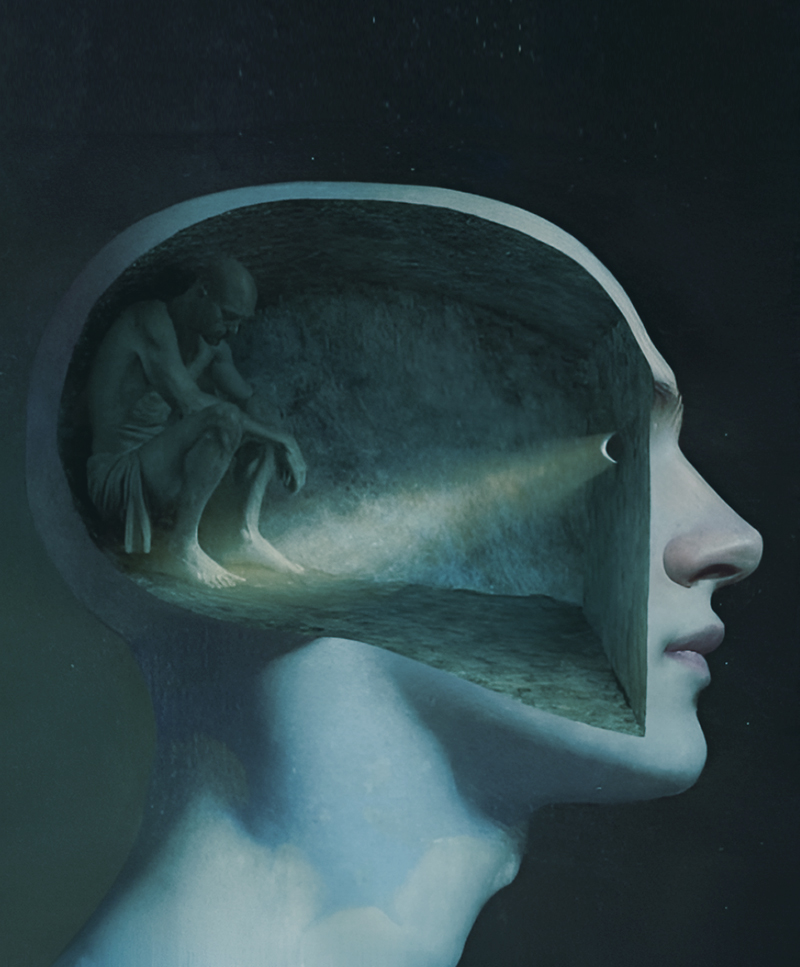
How Trauma Affects the Brain and Body
After trauma, the parts of the brain that manage fear, memory, and calming signals can lose balance:
- The fear center stays on high alert
- The parts that help you feel safe may go quiet
- Memory processing can stall, making it harder to separate past from present
This is why you may know you are safe, yet your body reacts as if the danger is still here. These reactions are not weakness. They are survival responses that once protected you but now make you feel stuck.
Trauma Is More Than Just Flashbacks
When people think about trauma, they often think of Post Traumatic Stress Disorder (PTSD). PTSD is a very real type of trauma, however many people experience trauma responses without this diagnosis.
You may notice yourself shutting down during stress, avoiding certain people or places, or feeling like the past is still too close. Some people describe carrying a constant tension in their body. Others talk about a sense that something in them has shifted since what happened.
If this sounds familiar, you are not alone. These reactions are signs of how deeply you were affected. They are also signs that healing is possible.
Trauma Is Treatable
Strong evidence supports therapies that help people recover from trauma. At Apex Therapy, we draw from approaches such as:
- EMDR (Eye Movement Desensitization and Reprocessing): helps the brain reprocess painful memories so they can stay in the past.
- CPT (Cognitive Processing Therapy): focuses on shifting unhelpful beliefs about yourself and the world after trauma.
- CBT (Cognitive Behavioral Therapy): builds coping skills and helps reduce anxiety, avoidance, and spirals that trauma can fuel.
With the right support, you can feel safer in your body, more grounded in the present, and more connected to the people and activities that matter to you.
You Are Not Alone
There is no single “right” way to respond to trauma. Each response reflects the same truth: something hurt you deeply, and your mind and body are still trying to make sense of it.
You are not defined by what happened to you. With the right support, it is possible to feel safer in your own skin, more connected to the people you care about, and more present in the life you want to live.

Trauma and OCD Therapists in Short Hills, NJ
We accept major commercial insurance: Horizon Blue Cross Blue Shield of New Jersey, Aetna, and UnitedHealthcare.
Not in-network with Medicaid or Medicare plans.
Online therapy for OCD / ERP, & Trauma (EMDR / CPT)
Contact
info@apextherapy.co
908-908-APEX